Why Unstructured Play Time is So Important for Children
In today’s fast-paced world, children’s schedules are often filled with structured activities—from music lessons to sports clubs and academic tuition. While these activities have their benefits, it is easy to overlook the importance of unstructured play, which is just as crucial for a child’s development. Unstructured play allows children to explore, imagine, and learn at their own pace, fostering skills that are difficult to cultivate in a structured setting.
Encouraging Creativity and Imagination
Unstructured play gives children the freedom to use their imagination without boundaries. Whether they are building a den from cushions, drawing fantastical creatures, or inventing their own games, children learn to think creatively and develop problem-solving skills. Unlike structured activities, where there is often a “right” way to do things, unstructured play encourages experimentation and innovation. This type of creative thinking is essential not just for childhood development, but for lifelong learning and adaptability.
Supporting Emotional Development
Play is not only about fun—it is a vital tool for emotional growth. During unstructured play, children practise decision-making, learn to cope with minor frustrations, and gain confidence in their abilities. They can also express emotions through role-play or storytelling, which helps them process their feelings in a safe and constructive way. These experiences are key for building resilience and self-regulation, skills that will benefit them throughout life.
Building Social Skills
When children engage in unstructured play with peers, they develop important social skills. They learn how to negotiate, take turns, and resolve conflicts. Unlike structured environments where rules are set by adults, unstructured play allows children to navigate social interactions independently. This autonomy helps them develop empathy and a sense of fairness, as they learn to consider the perspectives and needs of others.
Physical Health and Wellbeing
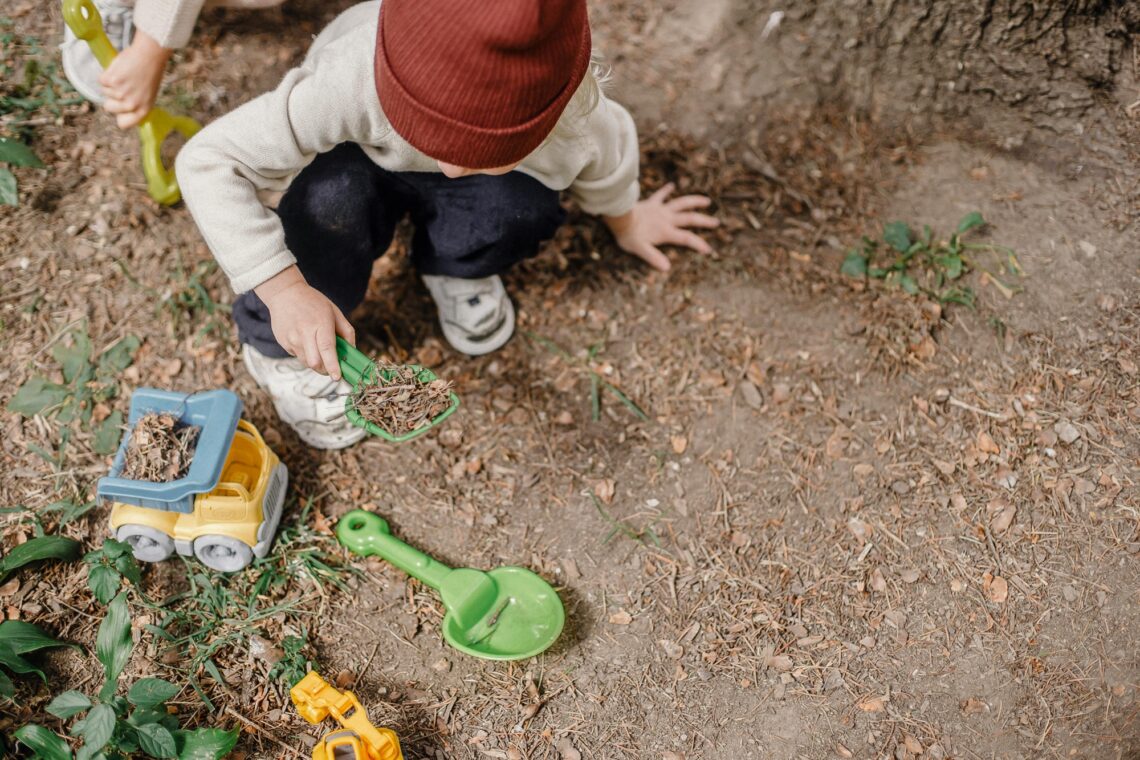
Unstructured play also supports physical development. Activities such as climbing, running, or simply exploring outdoors help children build strength, coordination, and balance. Moreover, it encourages them to be active in ways they enjoy, which can foster a lifelong love of movement and outdoor exploration. In an era of screens and sedentary hobbies, unstructured play is an essential counterbalance for children’s physical and mental wellbeing.
Cultivating Independence and Confidence
Finally, unstructured play promotes independence. Children learn to initiate their own activities, make decisions, and manage their time. These small but significant experiences build confidence and a sense of autonomy. When children realise they can create their own fun and solve problems independently, they carry this confidence into other areas of their lives, from schoolwork to social interactions.
While structured activities have a place in a child’s routine, unstructured play is equally, if not more, important. It nurtures creativity, emotional intelligence, social skills, physical health, and independence. By giving children the time and space to play freely, we are helping them develop into well-rounded, resilient, and confident individuals. Parents, caregivers, and educators should ensure that every child has ample opportunity to explore, imagine, and play—without a schedule or script.


You May Also Like

How to Alleviate Cold Symptoms in Babies with Snufflebabe: A Guide for New Dads

Equipping Your Child to Overcome Life Challenges