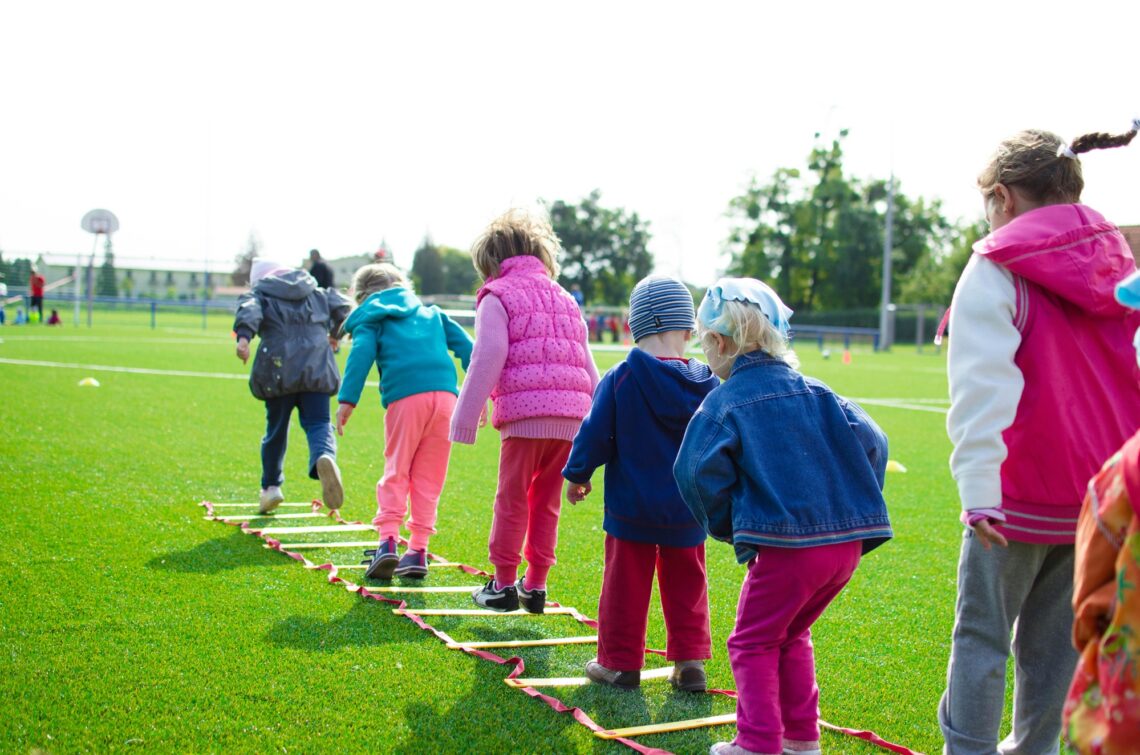
The Importance of Sports in Schools
Sport plays a vital role in school life, offering far more than just physical activity. From improving health and wellbeing to building confidence and teamwork, sports help students develop important skills that benefit them both inside and outside the classroom. Schools that encourage participation in sports create well-rounded learning environments where students can thrive academically, socially, and physically.
Supporting Physical Health
One of the most obvious benefits of sport in schools is the positive impact it has on students’ physical health. Regular physical activity helps children maintain a healthy weight, strengthens muscles and bones, and improves cardiovascular fitness. At a time when many young people spend long periods sitting in lessons or using digital devices, school sports provide an essential opportunity to stay active.
Taking part in sports also helps students build healthy habits from an early age. When children learn to enjoy physical activity, they are more likely to continue exercising throughout their lives, which contributes to long-term health and wellbeing.
Improving Mental Wellbeing
Sport is not only beneficial for the body; it also plays an important role in supporting mental health. Physical activity has been shown to reduce stress, improve mood, and boost overall wellbeing. For students managing the pressures of schoolwork, exams, and social changes, sports can provide a healthy outlet for releasing tension and clearing the mind.
Participation in sport can also increase self-esteem. Achieving personal goals, improving skills, or contributing to a team’s success gives students a sense of accomplishment and confidence. Even learning to cope with challenges or losses helps build resilience, an important life skill that supports personal growth.
Developing Teamwork and Social Skills
Many school sports involve working together as part of a team. Whether playing football, netball, cricket, or hockey, students learn how to communicate effectively, cooperate with others, and support their teammates. These experiences help children develop strong social skills that will benefit them throughout their lives.
Sport also encourages respect for others, including teammates, opponents, and coaches. Students learn the importance of fair play, responsibility, and leadership, all of which contribute to a positive school culture.
Building Discipline and Determination
Success in sport requires commitment, practice, and perseverance. Through training sessions and competitions, students learn the value of discipline and hard work. They begin to understand that improvement takes time and effort, and that setbacks are a normal part of progress.
These lessons often translate into the classroom. Students who participate in sports frequently develop stronger time management skills and a greater sense of motivation, helping them approach academic challenges with determination.
Encouraging Participation and Inclusivity
School sports programmes also create opportunities for all students to get involved, regardless of their skill level. While some may enjoy competitive teams, others may prefer recreational activities or individual sports. Providing a wide range of options allows every student to find an activity they enjoy.
Inclusive sports programmes help students feel part of the school community, encouraging friendships and a sense of belonging.
A Key Part of a Balanced Education
Ultimately, sport is an essential part of a balanced education. It supports physical health, mental wellbeing, and personal development while helping students build valuable life skills. By promoting sports and physical activity, schools can nurture confident, resilient, and healthy young people who are well prepared for the future.


You May Also Like

Criminal Law Decoded: Essential Legal Boundaries Every Guy Should Know

Understanding Fathers’ Rights: The Importance of Equal Parental Involvement