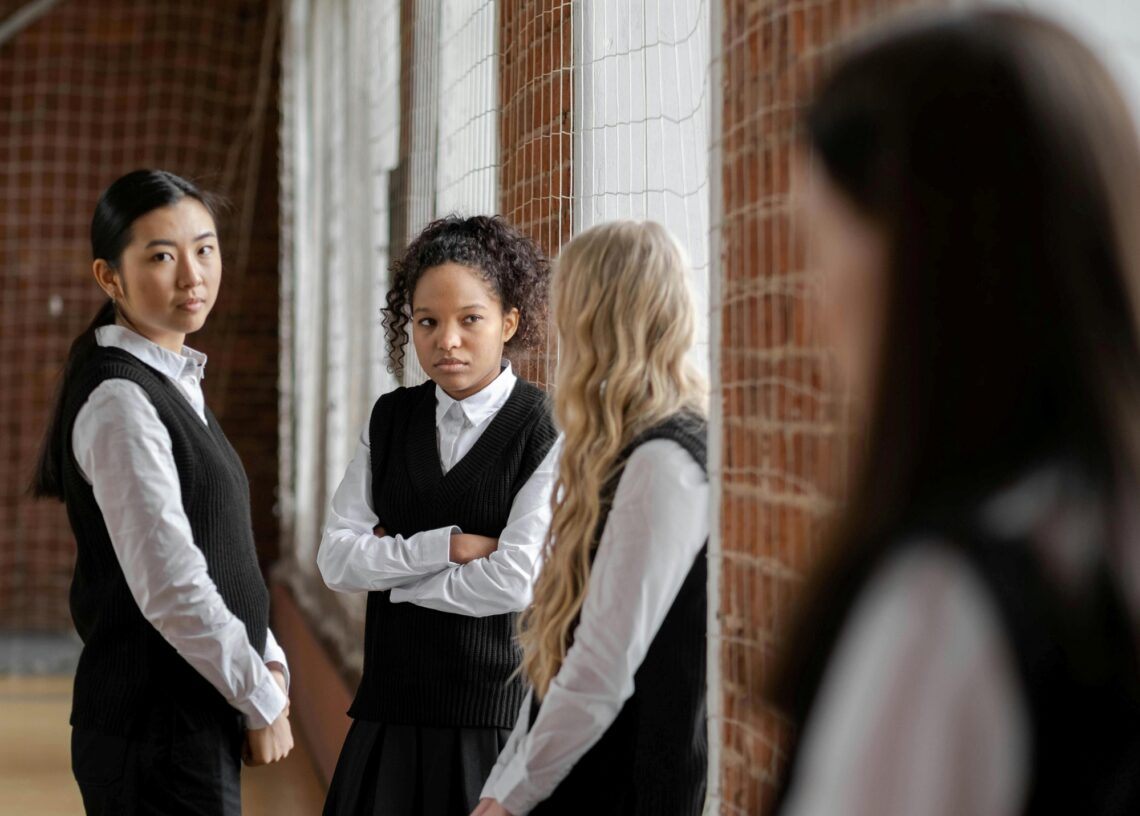
Teaching Your Child to Avoid Peer Pressure in School
Peer pressure is a natural part of growing up, especially during the school years when children begin to form stronger friendships and seek approval from their peers. While friendships can be a positive influence, children may sometimes feel pressured to behave in ways that do not align with their values or family expectations. Helping your child recognise and resist peer pressure is an important life skill that supports their confidence, independence, and decision-making.
Understanding What Peer Pressure Looks Like
Peer pressure does not always appear as direct encouragement to do something wrong. It can be subtle, such as feeling left out for having different interests, being encouraged to copy homework, or being pushed to join in with teasing or unkind behaviour. Children may worry about losing friends or being judged if they refuse.
Talking openly about these situations helps children recognise that feeling pressured is normal and something everyone experiences at some point. By understanding the different forms peer pressure can take, your child will be better prepared to handle it calmly and confidently.
Build Your Child’s Confidence
Confidence is one of the most effective tools a child can have when facing peer pressure. Children who feel secure in their own opinions are more likely to stand by their choices.
Encourage your child to express their thoughts and make small decisions independently. This might involve choosing extracurricular activities, sharing opinions during family discussions, or taking responsibility for simple tasks. Praise their efforts and reinforce that it is okay to think differently from others.
When children feel valued and respected at home, they are more likely to carry that self-assurance into social situations at school.
Practise Saying “No”
Many children know when something feels wrong but struggle to say no in the moment. Practising simple responses can make this much easier.
Role-playing different scenarios at home can help your child develop comfortable ways to respond. For example, they could practise phrases such as “I don’t want to do that”, “That’s not for me”, or “I need to get to class”. These short, confident responses allow children to remove themselves from uncomfortable situations without escalating conflict.
Reassure your child that true friends will respect their decisions, even if they choose not to participate.
Encourage Positive Friendships
The people children spend time with can have a significant impact on their behaviour and confidence. Encourage your child to build friendships with peers who share similar values, interests, and attitudes.
Ask about their friends and what they enjoy doing together. Listening without judgement helps children feel comfortable discussing social challenges if they arise. If your child feels supported, they are more likely to come to you for advice when they feel uncertain.
Keep Communication Open
Perhaps the most important step in helping children navigate peer pressure is maintaining open communication. Let your child know they can talk to you about anything without fear of punishment or criticism.
Regular conversations about school, friendships, and daily experiences create opportunities to guide them through challenges as they occur. When children feel heard and supported, they develop stronger problem-solving skills and confidence in their choices.
Helping Children Make Independent Choices
Learning to resist peer pressure is a gradual process. With encouragement, open conversations, and opportunities to build confidence, children can develop the skills needed to make thoughtful and independent decisions. These skills will not only support them during their school years but will also help them navigate social situations throughout their lives.


You May Also Like

12 Creative Mother’s Day Ideas to Celebrate Your Mum

Understanding Fathers’ Rights: The Importance of Equal Parental Involvement
