How to Raise an Environmentally Conscious Child
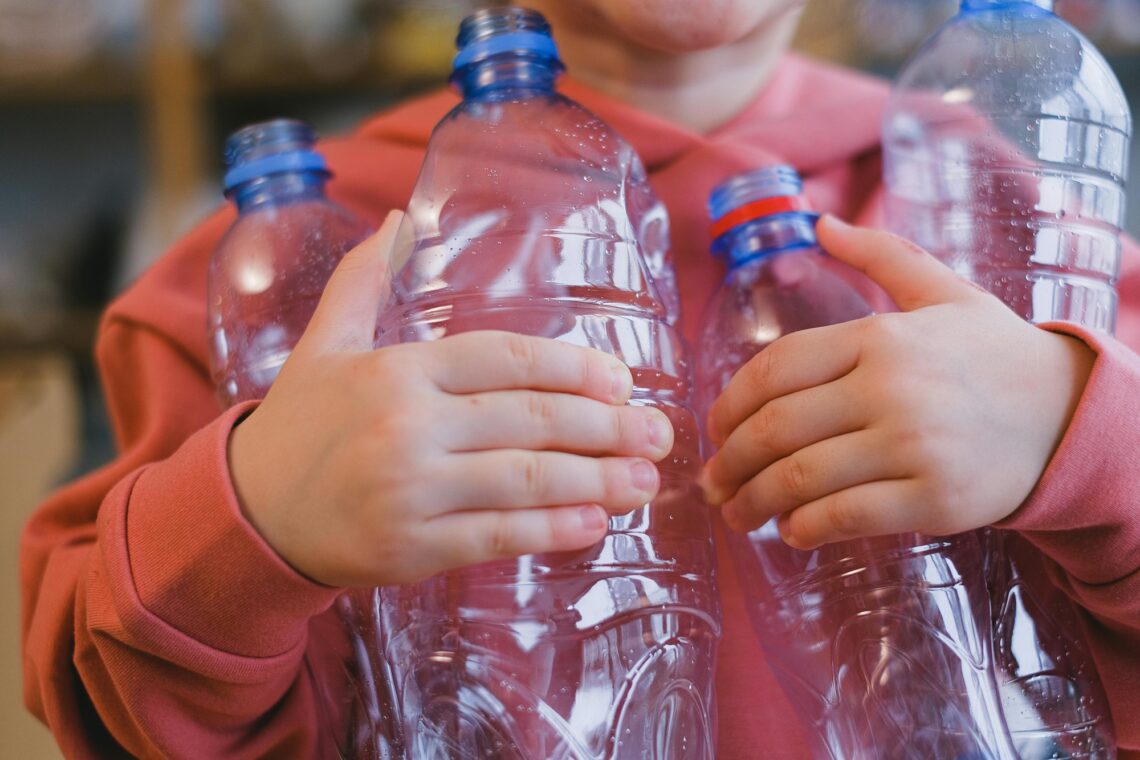
Raising an environmentally conscious child isn’t about perfection or creating eco-warriors overnight. It’s about helping children understand their connection to the planet and empowering them to make small, thoughtful choices that add up over time. When sustainability is woven naturally into everyday life, kids grow up seeing care for the environment as second nature.
Here are some practical and positive ways, shared by an independent prep school, to nurture environmental awareness from a young age.
Lead by Example
Children learn best by watching the adults around them. Simple habits, like recycling, turning off lights, or using reusable bags, send a strong message.
Talk openly about why you make these choices. When kids understand the reason behind an action, they’re more likely to adopt it themselves.
Encourage Curiosity About Nature
Spending time outdoors helps children build a natural respect for the environment. Go for walks, visit parks, explore beaches or woods, and let them ask questions about what they see.
Point out plants, insects, clouds, and animals. The more familiar nature feels, the more likely children are to want to protect it.
Teach Simple, Age-Appropriate Actions
Environmental responsibility doesn’t have to be complicated. Start with small, manageable steps such as:
- Sorting recycling
- Saving water when brushing teeth
- Turning off taps and lights
- Reusing paper for drawing
- Bringing a reusable bottle or lunchbox
These actions help children see that their choices matter.
Make Sustainability Fun
Kids engage best when learning feels like play. Try:
- Growing herbs or vegetables together
- Turning recycling into a sorting game
- Creating art from recycled materials
- Setting family “eco challenges,” like a no-plastic day
When sustainability is enjoyable, it becomes a habit rather than a rule.
Talk About Waste and Consumption
Help children understand where things come from and where they go when we’re finished with them. Discuss food waste, packaging, and the impact of buying more than we need.
Encourage mindful habits like finishing meals, caring for toys, and donating items they no longer use.
Choose Books and Media with Environmental Themes
Stories are a powerful teaching tool. Books, shows, and documentaries that focus on animals, nature, and protecting the planet can spark meaningful conversations and inspire empathy.
After reading or watching, ask simple questions like, “What could we do to help?”
Involve Them in Decision-Making
Give children a voice in eco-friendly choices:
- Let them help plan low-waste meals
- Choose sustainable products together
- Decide how to reduce household waste
Involvement builds responsibility and confidence.
Stay Positive and Empowering
It’s easy for environmental topics to feel overwhelming, even for adults. Focus on hope and action rather than fear. Emphasise that small steps, taken by many people, can make a big difference. Reassure children that caring for the planet is about progress, not being perfect.
Raising an environmentally conscious child is a journey built on everyday moments. By modelling thoughtful behaviour, encouraging curiosity, and keeping sustainability positive and accessible, you help children grow into caring, responsible adults who feel empowered to look after the world around them. And in the process, you may find your whole family becoming a little greener too.


You May Also Like
Welcoming a Foster Child: Your Guide to Creating a Warm and Inviting Home

Criminal Law Decoded: Essential Legal Boundaries Every Guy Should Know